What is Reiki?
Reiki is a type of energy therapy. The word “Reiki” means “mysterious atmosphere, miraculous sign.” It comes from the Japanese words “rei,” meaning universal, and “ki,” meaning life energy.
According to practitioners, energy can stagnate in the body where there has been physical injury or even emotional pain. In time, these energy blocks can cause illness.
Energy medicine aims to help the flow of energy and remove blocks in a similar way to acupuncture or acupressure. Reiki practitioners believe that improving the flow of energy around the body can:
-
enable relaxation
-
relieve pain
-
speed healing
-
reduce other symptoms of illness
Mikao Usui developed Usui Reiki Ryoho, the most current form of Reiki, in 1922. However, people have practiced Reiki for about 2,500 years.
People also refer to Reiki as palm healing or hands-on healing.
What happens in a Reiki session?
Practitioners typically give Reiki treatment in a peaceful, private setting. However, the treatment can take place anywhere. During a session, the client will sit in a comfortable chair or lie on a table, fully clothed.
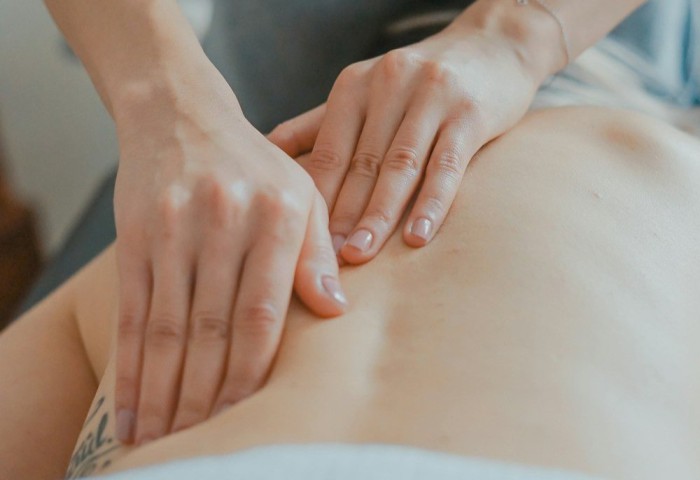
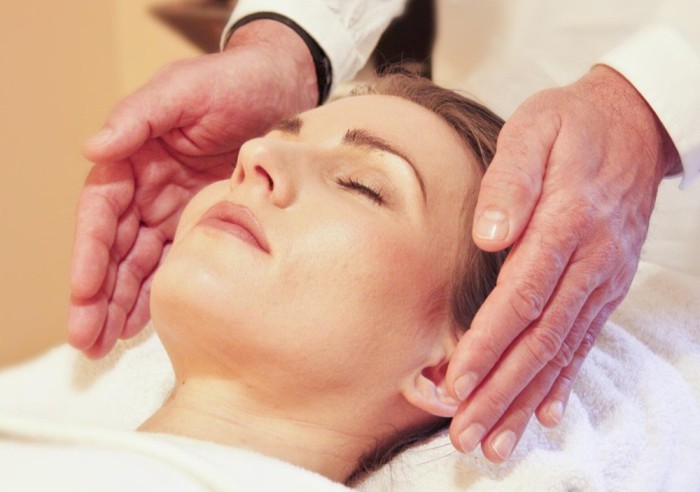
The practitioner will then place their hands lightly on or hold above specific areas of the client’s head, limbs, and torso. They will typically keep their hands in these positions for around 3 - 5 minutes.
Advocates state that while the practitioner holds their hands lightly on or over the body, an energy transfer takes place. During this time, the practitioner may report that their hands feel warm or are tingling. They will hold each hand position until they sense that the energy has stopped flowing.
When the practitioner feels that the heat, or energy, in their hands has gone, they will remove their hands and place them over a different body area.
Some Reiki practitioners will use crystals and chakra healing wands to enable healing or protect a home from negative energy.
Sessions can last 30 to 90 minutes. The number of sessions will vary, depending on what a client wishes to accomplish. Some clients prefer to have one session, while others have a series of sessions to work on a particular issue.
Some Reiki techniques
The techniques that Reiki involves have names such as:
-
centering
-
clearing
-
beaming
-
extracting harmful energies
-
infusing
-
smoothing and raking the aura
Health benefits of Reiki
According to practitioners, Reiki channels universal energy known as ki, pronounced “chi.” This is the same energy involved in tai chi exercise.
This energy supposedly permeates the body. Reiki experts point out that, while this energy is not measurable with modern scientific techniques, many who tune into it can feel it.
Reiki can:
-
aid relaxation
-
assist in the body’s natural healing processes,
-
develop emotional, mental, and spiritual well-being.
-
help people cope with emotional stress
-
improve overall well-being
Some people may include Reiki into their wellness plan for conditions such as:
-
Cancer
-
Heart disease
-
Anxiety
-
Depression
-
Menopause
-
Infertility
-
Menstrual cramps
-
Neurodegenerative disorders
-
Autism
-
Crohn’s disease
-
Fatigue
-
And many more illness’
It is important to note that Reiki should never take the place of medical treatments.
However, a 2017 study suggests that Reiki may be able to support the treatment of certain health conditions. For instance, some people with cancer may find Reiki beneficial as it may help them relax.
The gentle nature of Reiki therapy may have a soothing effect on people who find that they become overwhelmed with invasive therapy, fear, and stress.
What are the risks of Reiki?
Due to the non-contact nature of Reiki, this treatment is not harmful - Trusted Source.
However, Reiki could lead to harm if people with serious health issues opt for this therapy instead of other treatments.
A person should discuss Reiki and other treatment options with their doctor so that they can make an informed decision about their treatment plan.
Where can a person get Reiki?
In the U.K., some medical establishments, such as hospices, may have volunteers who provide Reiki free of charge as part of palliative care. Or can you find Reiki practioners in your local area.
Reiki is not an alternative treatment for medical issues but a complementary therapy that may help support healing and increase a feeling of well-being for some people.
It is always best to discuss any complementary therapies with a doctor before trying them.
Becoming a Reiki practitioner
No prior training, education, or experience is necessary to enter the Reiki training or “attunement process.”
In this process, the Reiki master reportedly transfers the attunement energy and healing techniques to the student.
Reiki training varies, but most students learn about:
-
the energies around the body
-
how to work with healing energy
-
the ethics of working with clients
Preparation for attunement may include:
-
meditation
-
focusing on nature
-
releasing negative emotions
-
avoiding alcohol and caffeine for at least 3 days
There are three levels of mastery. Those who reach “Master” level can teach others and can reportedly heal from a distance.
Frequently asked questions
What are the disadvantages of Reiki?
There are no known direct risks of Reiki treatments. However, it can be harmful if a person chooses Reiki treatments instead of treatments with more scientifically proven benefits.
Is Reiki scientifically proven?
There is currently no research that proves purported health benefits of Reiki for treating specific conditions. However, the treatment may help a person to relax, which may help reduce anxiety.
How much does reiki healing cost?
One private Reiki session can cost between £30-£75 per session, prices may vary. A person can contact a local practitioner for information about what they offer and how much sessions may cost.
Summary
Reiki is a complementary form of energy therapy. Advocates believe that there is an energy field around the body, and that disrupting it can lead to ailments. Reiki therapy aims to remedy these disruptions and the subsequent conditions.
In Reiki treatment, practitioners will place their hands over various parts of a person’s body and transfer healing energy.
During a session, practitioners may focus their energy on the sources of specific conditions. Typically, a single Reiki treatment session will last around 30 to 90 minutes.
Research has not shown Reiki to have any direct healing properties. However, some clients claim that Reiki helped reduce stress and anxiety when they used it as a complementary treatment.
A person should always consult their doctor before engaging in complementary therapies.
Last medically reviewed on July 12, 2024
Complementary Medicine / Alternative Medicine